Overview
OVIS is a Marie Skłodowska-Curie Actions postdoctoral fellowship funded under Horizon Europe. This
project aims to provide new information on the causes and consequences of the transition between the
Bronze Age and the Iron Age in the Western Mediterranean. The main novelty of the project lies in
addressing a key question for this region from a specifically insular perspective, focusing on one
of the economic foundations of these societies: livestock farming.
Specifically, the diet of domestic caprines will be studied, allowing us to infer available
vegetation and to analyse both how herding practices contributed to landscape transformation and
whether these practices were, in turn, shaped by palaeoenvironmental changes, political decisions,
or the arrival of new human groups.
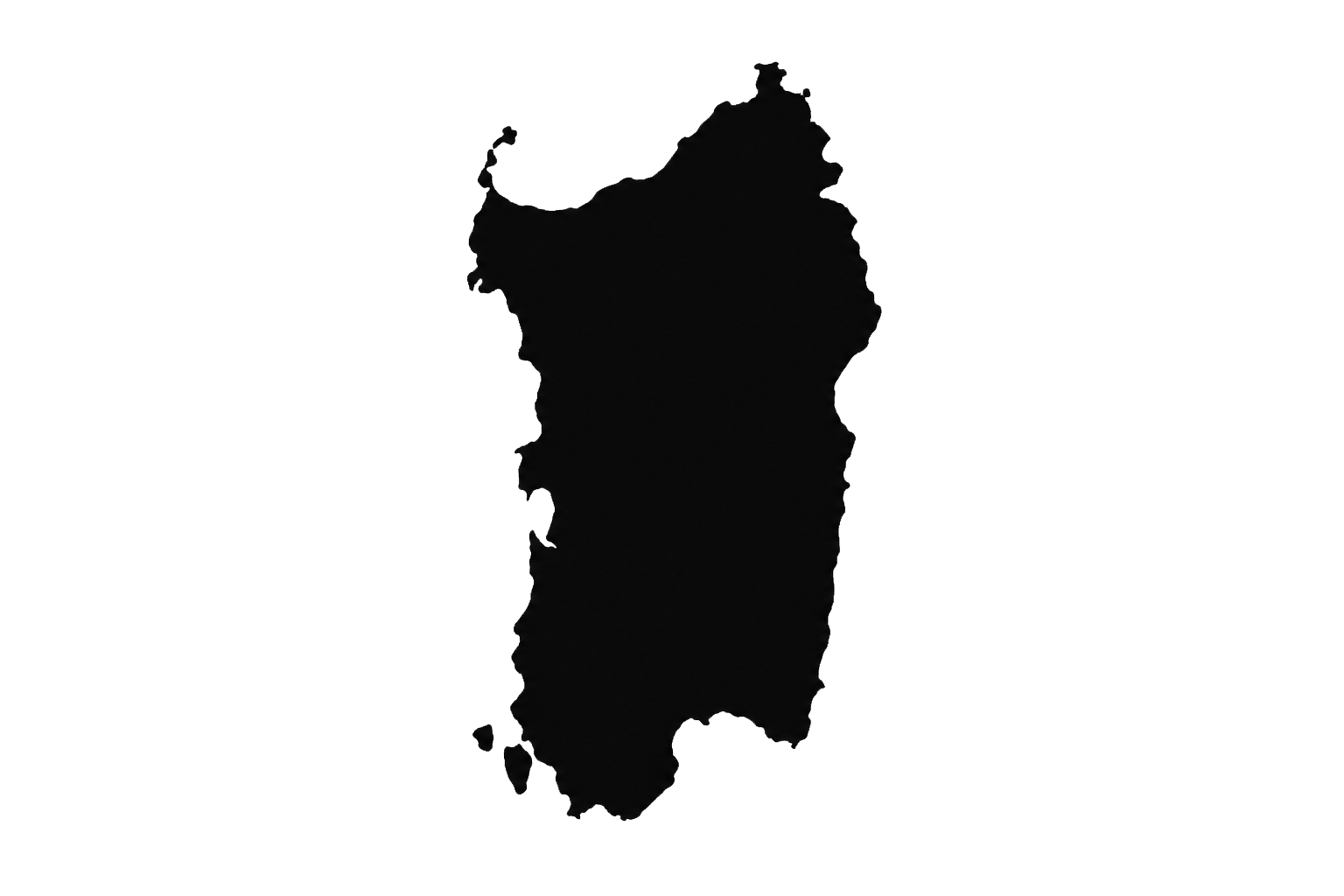
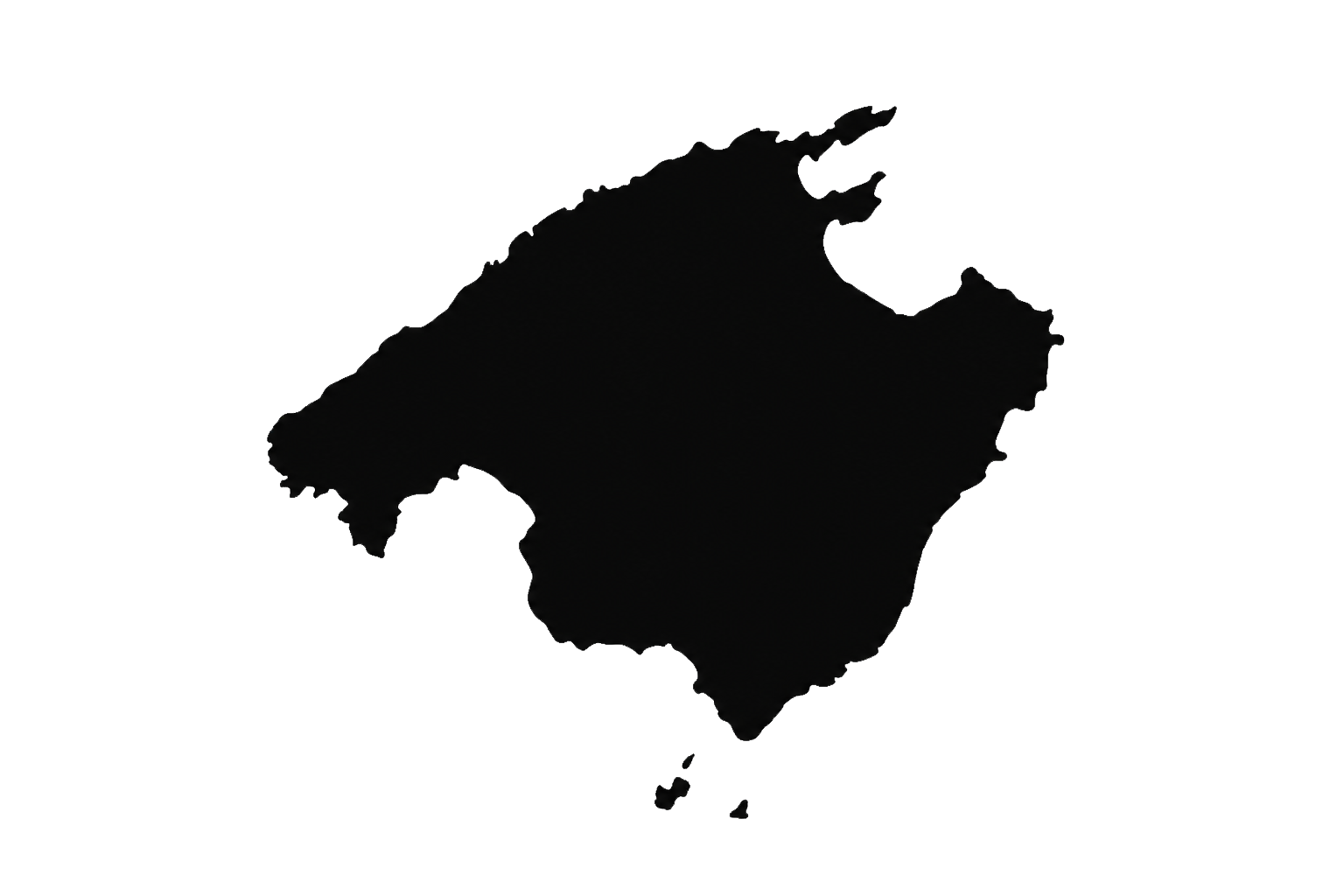
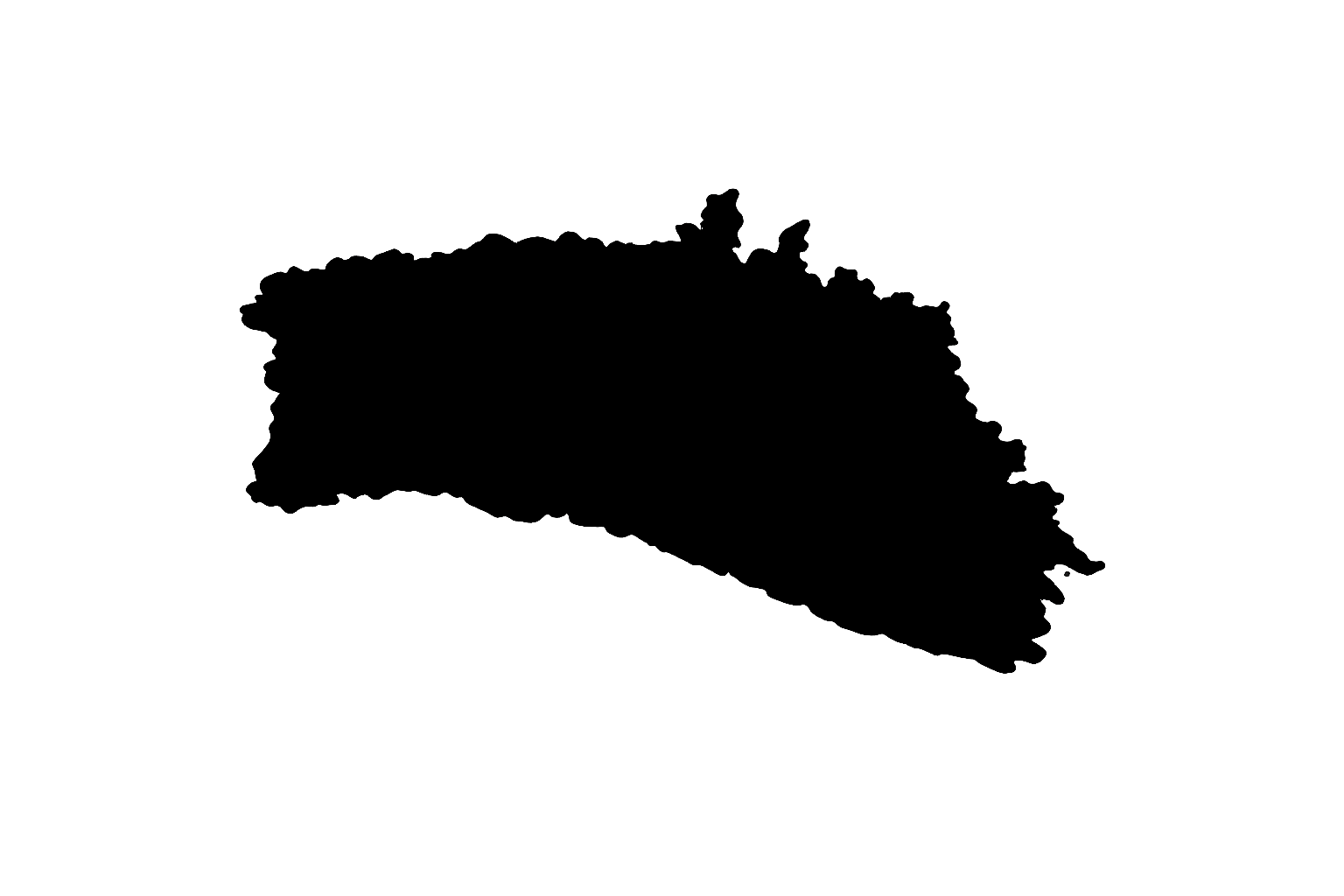
Through a diachronic analysis (c. 1600–123 BCE) and a multiregional approach (Sardinia, Mallorca,
and Menorca), the project seeks to offer a broader understanding of the phenomenon, providing data
on climate impact and adaptation strategies in insular contexts.
Research Objectives
- Understand how animal diet and mobility changed over time, and whether these changes were driven by
local developments or by the arrival of new knowledge and technologies.
- Explore how island landscapes transformed and identify the main factors behind these changes.
- Examine how island communities interacted with their environment and with the wider Mediterranean
world.
- Identify past climatic events and assess their impact on island populations and ecosystems.
- Investigate how island communities adapted to changing conditions and made the most of available
resources.
Methodology
The project combines carbon (δ¹³C) and oxygen (δ¹⁸O) isotope analysis with dental microwear on
caprine teeth. Isotopes provide longer-time data on plant consumption and environmental conditions,
while dental microwear reveals short-term diet and feeding behaviour before death. Together, they
offer a complementary temporal reconstruction enabling high-resolution comparisions across
periods.
Impact
OVIS will represent a major advance by highlighting the value of insular archaeology, often
overlooked in broader narratives, despite the fact that islands invariably function as nodes within
large networks and can therefore provide a wider perspective on connectivity and on social and
economic change. At the same time, through the integration of isotopic data with climatic and
historical events, the project will shed light on how insular populations adapted to adversity, the
strategies they employed to maximize resources (e.g., seasonal movements, foddering), and the impact
of these practices on the landscape in constrained environments.
These data are also highly relevant for contemporary science, particularly in the context of climate
change, where desertification and resource depletion are causing a drastic reduction in livestock on
islands, with significant short-term consequences for ecosystems. This project will redefine the
history of the Mediterranean by enriching the archaeological record with an immense volume of
high-resolution, temporally sensitive information. The data will be essential for detecting,
organizing, and assessing the impact of transformative events that shaped the past, thereby driving
a reassessment of current narratives in Late Prehistory and advancing the field.